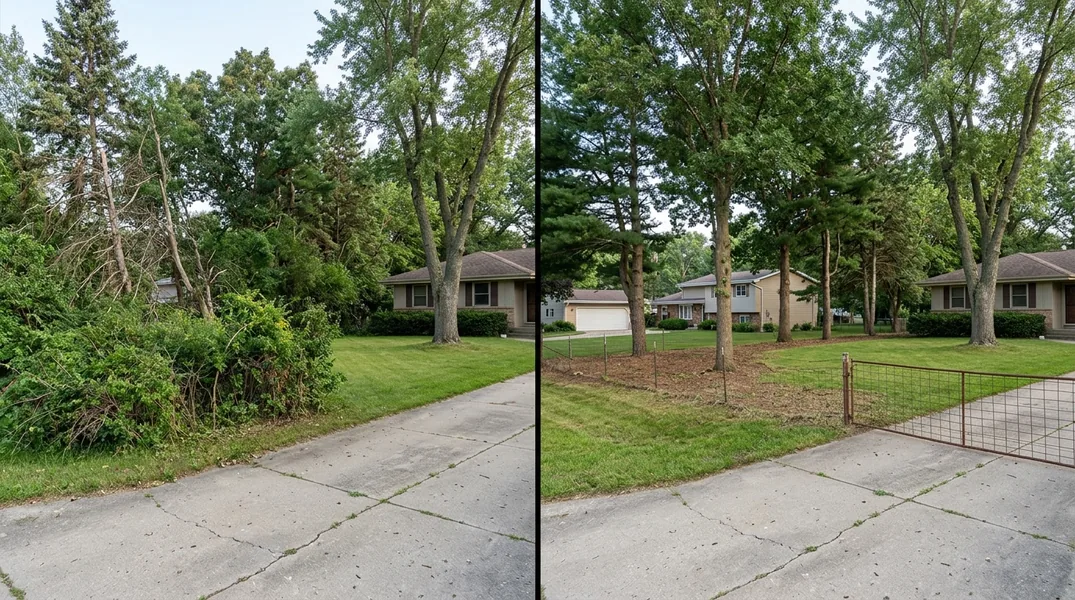
Understanding Winter Tree Damage in Northeast Wisconsin
Northeast Wisconsin winters are beautiful but unforgiving, and your trees bear the brunt of the season's harshest weather. Ice storms and heavy snow loads can devastate even mature, healthy trees, causing branch breakage, trunk splitting, and complete tree failure. Homeowners throughout Green Bay and surrounding communities know firsthand how quickly a winter storm can transform a thriving landscape into a hazardous mess of downed limbs and damaged trunks.
The problem intensifies because of how Northeast Wisconsin's climate works. When freezing rain coats branches with ice, the weight accumulates rapidly. A single coating of ice just one quarter inch thick can add hundreds of pounds of stress to a branch. Combine that with wet, heavy snow, and you're looking at catastrophic loading that most trees simply cannot support. Trees that might weather a single ice storm or a heavy snowfall often fail when both conditions strike within days of each other, which happens regularly in our region.
Why Preventive Tree Trimming in Green Bay Matters Before Winter
Tree Trimming & Pruning before winter arrives is one of the smartest investments a homeowner can make. Proper trimming reduces the surface area that catches snow and ice, significantly lowering the weight load on your branches. It also removes weak, diseased, or structurally compromised limbs that are most likely to fail under stress. When you remove these problem branches now, you're preventing emergency situations later.
Beyond weight reduction, strategic pruning improves air circulation through the canopy and promotes better overall tree health heading into dormancy. Trees that are properly thinned can shed snow and ice more effectively because wind can move through the structure instead of being blocked by dense foliage. This is especially important for evergreens like spruce and pine, which hold snow more readily than deciduous trees. A experienced arborist can assess your trees and recommend which branches should be removed to maximize winter protection while maintaining the tree's natural form and long-term health.
The timing of this work is critical. Late fall, after leaves have dropped but before the first major storms arrive, is the ideal window. In Green Bay, this typically means September through early November. Waiting until winter arrives means waiting too long, and attempting to trim during or immediately after a storm is dangerous and often ineffective.
Identifying Trees at High Risk for Ice Storm and Snow Load Damage
Not all trees face equal risk during winter storms. Understanding which trees on your property are most vulnerable helps you prioritize preventive care. Trees with dense, heavy canopies like ash, maple, and elm tend to accumulate more snow and ice than trees with naturally open branching patterns. Younger trees with weaker wood are more susceptible to branch breakage than mature specimens. Trees that have already suffered storm damage, disease, or pest problems are significantly more likely to fail completely if stressed by additional winter loading.
Structural defects make trees especially vulnerable. Look for trees with multiple stems originating from a single point, branches that grow at narrow angles to the trunk, or limbs that cross and rub against each other. These trees have inherent weaknesses that make them poor candidates for surviving heavy snow and ice. Similarly, trees that lean significantly or have hollow sections in the trunk are at elevated risk. If you're uncertain about the condition of your trees, a professional assessment can identify specific hazards before winter weather strikes.
Conifers deserve special attention because they retain their foliage year-round and don't shed snow as naturally as deciduous trees. Spruce, pine, and fir trees in the De Pere area and throughout Northeast Wisconsin often suffer significant damage in major winter storms. Proper pruning of these species is particularly valuable, but it must be done carefully to maintain their natural pyramidal shape and avoid creating permanent disfigurement.
Winter Prep Tree Service: A Comprehensive Approach
Comprehensive winter preparation goes beyond simple trimming. A complete winter prep strategy includes removing dead wood, eliminating crossing branches, thinning dense areas, and ensuring the tree has good structural integrity. This is where professional expertise makes a real difference. Arborists understand how to evaluate each tree's unique structure and recommend specific cuts that maximize winter resilience without compromising the tree's appearance or long-term health.
Part of winter prep also involves assessing whether any trees should be removed entirely. Sometimes a tree is so compromised by disease, pest damage, or structural defects that Tree Removal is the safest choice. A tree that's likely to fail catastrophically during a winter storm poses a serious risk to your home, vehicles, power lines, and family. Removing such a tree now prevents a dangerous emergency situation later. If you have questions about whether a particular tree should stay or go, reaching out for a free estimate gives you professional guidance tailored to your specific landscape.
Don't overlook the importance of proper pruning technique. Incorrect cuts that leave stubs or remove too much foliage can actually weaken trees or invite disease. Professional arborists follow industry standards for pruning, making cuts at the branch collar to promote proper healing and maintain tree health. This attention to detail is what separates effective preventive care from work that looks good initially but compromises your trees' ability to withstand winter stress.
What to Do After Winter Storms: Emergency Tree Service Near Me
Despite your best prevention efforts, major winter storms sometimes cause damage anyway. When that happens, quick action is essential. Broken branches hanging from trees pose immediate hazards, and fallen limbs can block roads, damage structures, or create fire hazards. Emergency Tree Service should be your first call when storm damage strikes. Professional crews have the equipment, training, and insurance to safely handle dangerous situations that homeowners should never attempt alone.
The key is knowing when to call professionals versus attempting cleanup yourself. If branches are hanging over your roof or power lines, if trees are leaning against structures, or if you need to work at height, professional help is not optional. These situations are genuinely dangerous. Even seemingly simple tasks like cutting up a fallen tree can result in serious injury if you lack proper equipment and experience. Green Bay Tree Service maintains Emergency Tree Service availability because winter storms don't follow business hours. When damage occurs, call (920) 671-1434 to report the situation and get rapid response.
After emergency cleanup, don't forget about long-term recovery. Trees that survive storms but suffer significant branch loss need proper pruning and care to heal effectively. Leaving torn branches or making improper cuts can introduce disease and compromise recovery. A follow-up visit from a professional arborist ensures that damaged trees are positioned to recover well and regain structural integrity over time.
Planning Your Winter Tree Care: Getting Started This Fall
The best time to prepare your trees for winter is now, before severe weather arrives. Start by walking your property and noting which trees look diseased, have dead branches, or show structural concerns. Take photos and note their locations. Then reach out to Green Bay Tree Service for a professional assessment. A experienced arborist can evaluate your trees, explain the specific risks they face, and recommend a prioritized plan for preventive work.
Scheduling matters because fall is peak season for tree work. The sooner you contact professionals, the sooner they can fit your property into their schedule. Don't wait until November or December when urgent requests flood in. By planning ahead, you ensure that your trees receive the care they need before the season's worst weather arrives. Whether you're in Ashwaubenon, Allouez, or anywhere in the Green Bay area, the same principle applies: early action prevents winter emergencies.
Contact Green Bay Tree Service today at (920) 671-1434 or visit our website to request a free estimate. Our team will assess your trees, discuss winter risks specific to your landscape, and provide professional recommendations for keeping your property safe and your trees healthy throughout the challenging months ahead. Winter preparation isn't just about preventing damage; it's about investing in your landscape's long-term beauty and safety.
Looking for a professional tree service contractor in Green Bay? Green Bay Tree Service responds fast for all your tree service needs.
Get a Free QuoteOur services: Tree Removal · Tree Trimming & Pruning · Stump Grinding